Machine Learning Engineer | Computer Vision Researcher | Signal Processing Specialist
Specializing in Machine Learning, Computer Vision, and Signal Processing to develop cutting-edge solutions for aerospace and autonomous systems. Building ML models, implementing real-time computer vision algorithms, and processing multi-modal sensor data for innovative applications.
Deep learning architectures, neural network optimization, and ML model deployment for real-world applications.
Image processing, object detection, and real-time visual analysis for autonomous systems and VR applications.
Multi-modal sensor fusion, signal analysis, and real-time data processing for aerospace and transportation systems.
VR Development & Computer Vision | 2024-2025
Tags: Virtual Reality | Computer Vision | Signal Processing | Real-Time Systems | 3D Graphics | Sensor Fusion
A virtual reality helmet-mounted display system for pilots featuring real-time information overlay using computer vision algorithms and signal processing techniques for sensor data fusion. The system processes multi-modal flight sensor data (IMU, GPS, attitude sensors) to provide pilots with real-time flight information, navigation cues, and situational awareness through an immersive VR interface. Built with Godot engine for 3D rendering and VR display, with computer vision algorithms for real-time information overlay and signal processing pipelines for sensor fusion.
I am a Machine Learning Engineer and Computer Vision Researcher specializing in signal processing and data-driven solutions.
Currently working as an Aerospace Software Engineer at the International Test Pilots School (ITPS) Canada, I develop ML-powered systems for aviation applications, including computer vision algorithms for helmet-mounted displays and signal processing pipelines for real-time sensor data analysis.
My research focuses on applying machine learning techniques to physiological signal analysis, computer vision for autonomous systems, and statistical signal processing. I have published work on driver behavior analysis using heart rate signals and have extensive experience building ML pipelines for sensor fusion, image processing, and time-series analysis.
International Test Pilots School - London, Ontario
National Research Council Canada - London, Ontario
Western University - London, Ontario
IBM - Markham, Ontario
Western University - London, Ontario
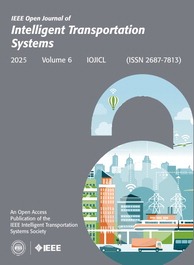
IEEE Review | August 2024
Published in IEEE Open Journal of Vehicular Technology
Tags: First Author | Review Paper | Machine Learning | Autonomous Vehicles | Human-AI Interaction
A comprehensive review of takeover requests in Level 3 autonomous vehicles, analyzing human-centered design approaches and exploring the Operational Design Domain (ODD) concept for safe autonomous operation.
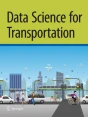
Springer Nature | 2025
Published in Data Science for Transportation
Tags: First Author | Signal Processing | Statistical Analysis | Machine Learning | Data Science | Transportation
This paper investigates the physiological impact of intersections on driver heart rate using signal processing and statistical machine learning techniques. Using video and heart rate data from the Honda Research Institute, we apply E-Tests to analyze Poisson distributions of HR events occurring within and outside intersections. Our findings support the hypothesis that intersections significantly influence driver heart rate, indicating heightened stress or cognitive load at these critical road junctures. This research demonstrates the application of signal processing methods to physiological data analysis and has implications for urban traffic design and vehicle technology development in automated driving environments.
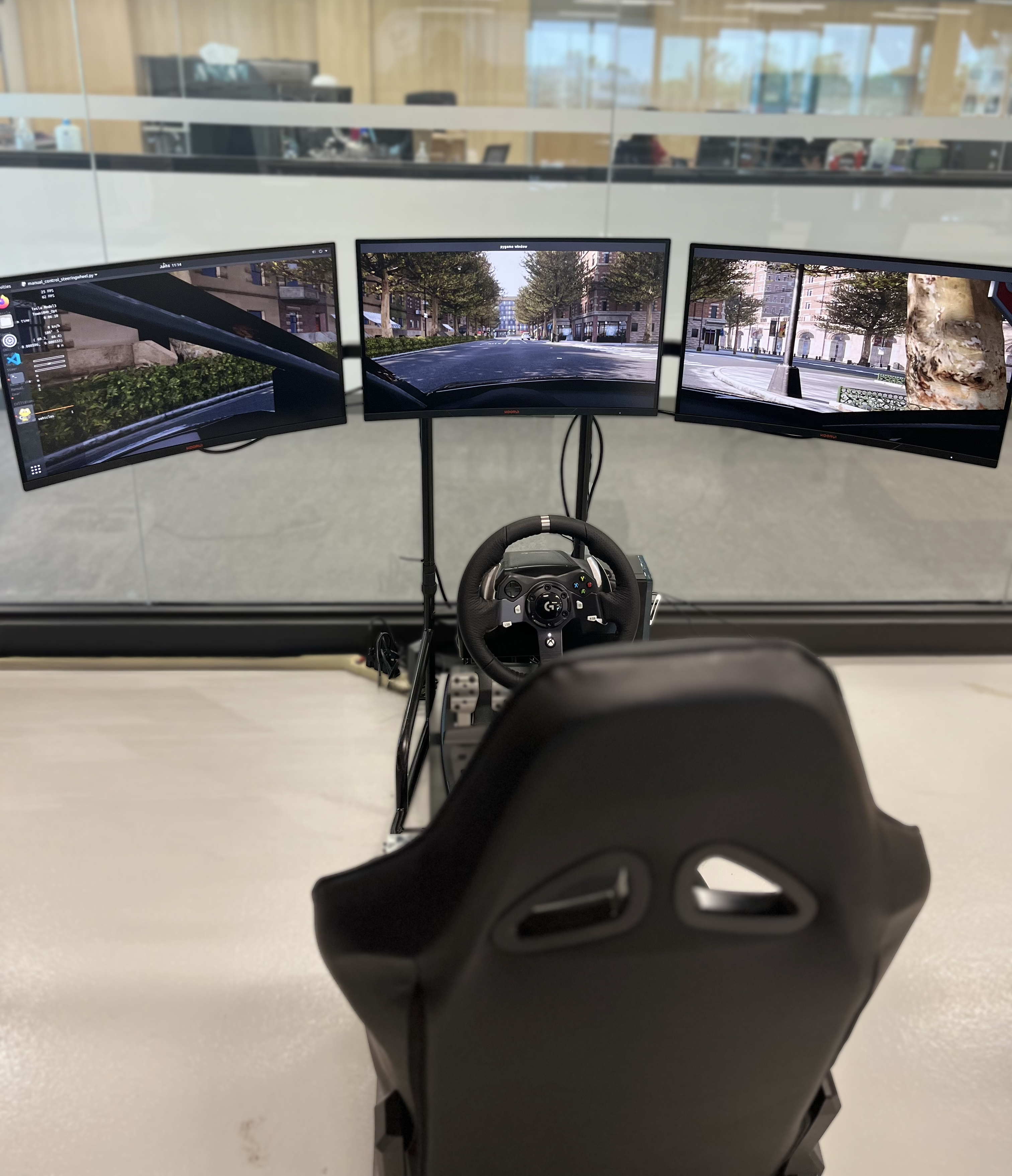
Research Infrastructure | 2024
Tags: Computer Vision | Signal Processing | Data Collection | Machine Learning
A comprehensive simulation environment for autonomous driving research with integrated computer vision and signal processing pipelines. Features multi-modal sensor data collection (video, physiological signals, vehicle dynamics) and real-time processing capabilities for ML model training and validation. Demonstrates expertise in building end-to-end ML pipelines from data collection to model deployment.
Machine Learning Research | 2023
Tags: Deep Learning | Reinforcement Learning | Computer Vision | Autonomous Vehicles
Developed a deep reinforcement learning agent for autonomous navigation using computer vision-based perception. Implemented DQN and PPO algorithms with CNN feature extractors for processing camera inputs, trained on complex driving scenarios in the CARLA simulator, achieving robust navigation capabilities in diverse environments. This project showcases expertise in combining machine learning and computer vision for autonomous systems.
Interactive Deep Learning Demo - Draw a single digit (0-9) below
This demonstrates a convolutional neural network (CNN) trained on the MNIST dataset for handwritten digit classification. The model processes your drawing using computer vision preprocessing techniques.
This CNN model demonstrates computer vision and deep learning capabilities. The model uses image preprocessing, feature extraction, and classification. Try different drawing styles to see how the model performs! 😄
Email: joelmiller0430@gmail.com
Phone: (905) 933-7920
LinkedIn: LinkedIn Profile
ORCID: ORCID Profile
Resume: Download Resume (PDF)